
Debunking Myths About Psilocybin Therapy


Understanding Psilocybin Therapy
Psilocybin therapy has gained significant attention in recent years as an innovative approach to mental health treatment. Despite its growing popularity, there are several misconceptions surrounding this form of therapy. This blog post aims to debunk some of these myths and provide clarity on what psilocybin therapy truly entails.
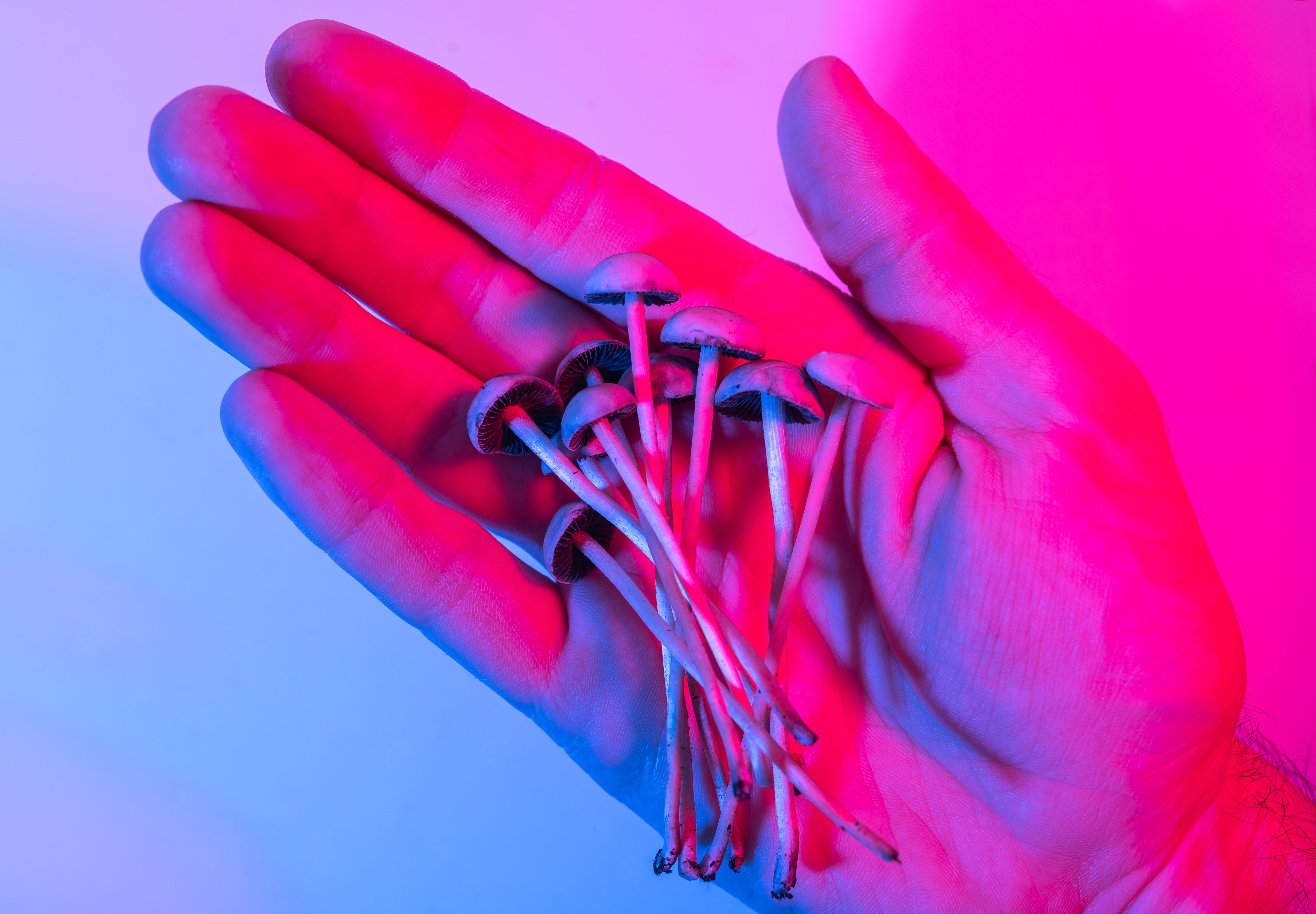
Myth 1: Psilocybin Therapy Is Just Recreational Drug Use
A common myth is that psilocybin therapy is akin to recreational drug use. In reality, psilocybin therapy is a structured and guided therapeutic process. It usually takes place under the supervision of trained professionals in a controlled environment. The goal is to leverage the therapeutic potential of psilocybin to address mental health conditions, not to induce recreational experiences.
Myth 2: Psilocybin Is Dangerous
Another prevalent misconception is that psilocybin is inherently dangerous. While any substance can be harmful if misused, psilocybin has been shown to have a favorable safety profile in clinical settings. Research indicates that when administered in controlled environments, psilocybin can be safe and well-tolerated.

The Science Behind Psilocybin
Psilocybin works by interacting with serotonin receptors in the brain, potentially leading to altered perception and cognition. These effects can facilitate profound therapeutic insights and emotional breakthroughs for individuals undergoing treatment. Studies have highlighted its potential in treating conditions like depression, anxiety, and PTSD.
Myth 3: Psilocybin Therapy Leads to Addiction
A widespread myth is that psilocybin use leads to addiction. However, research shows that psilocybin is not considered addictive. Unlike substances such as opioids or alcohol, psilocybin does not create physical dependence, and its therapeutic use is carefully monitored to prevent misuse.
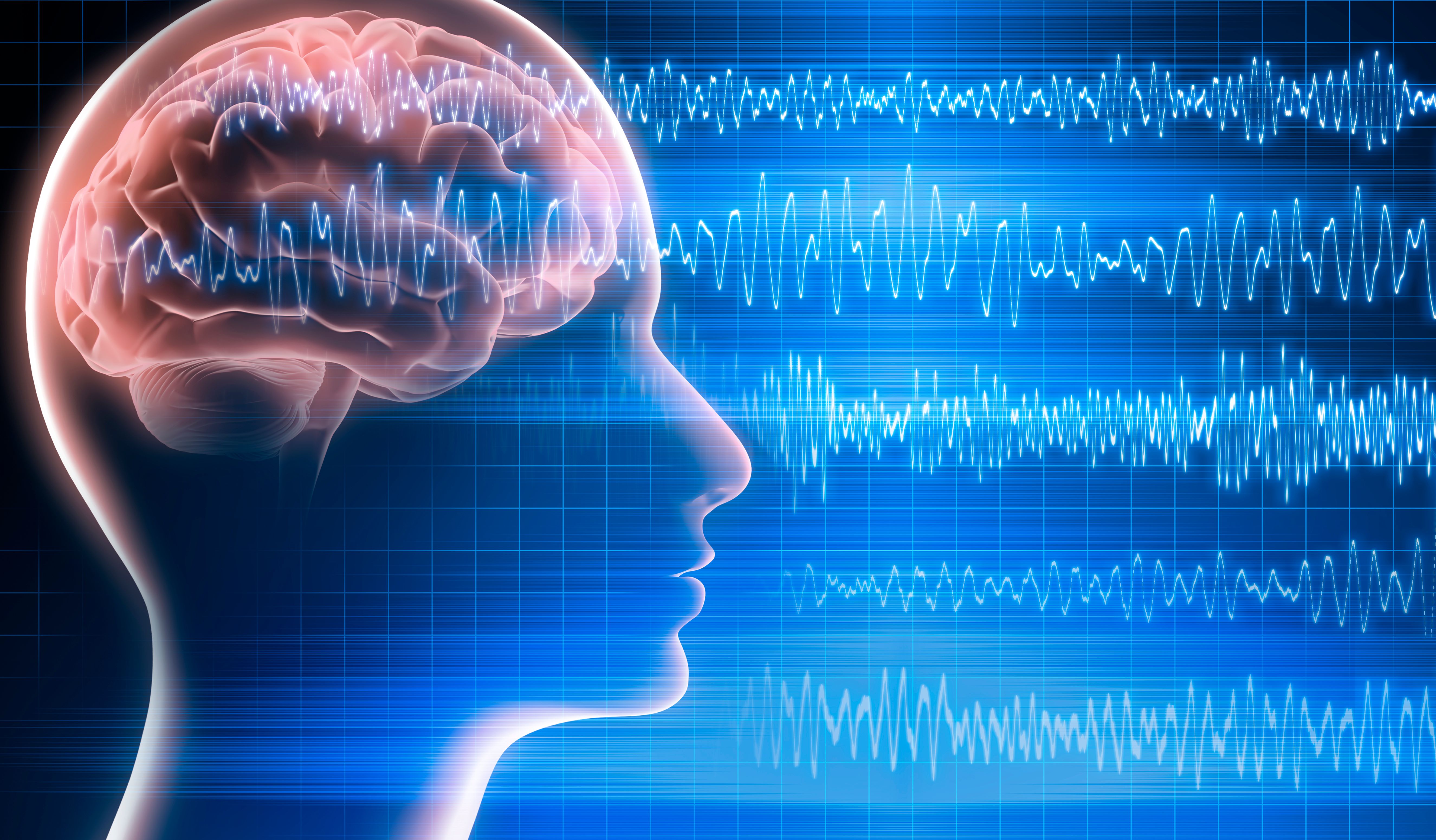
Real-World Applications
Psilocybin therapy has shown promising results in clinical trials. Patients often report significant improvements in their mental health conditions, sometimes after just a few sessions. The therapeutic process typically involves a series of preparatory and integration sessions to ensure lasting benefits.
Myth 4: Psilocybin Therapy Is a Cure-All
While psilocybin therapy shows great promise, it is not a magical cure for all mental health issues. It is one of many tools in a comprehensive treatment plan. A combination of therapies, lifestyle changes, and support systems often yields the best outcomes for patients.
By understanding the truths about psilocybin therapy, individuals can make informed decisions about their mental health treatment options. As research continues to evolve, psilocybin therapy may become an increasingly valuable component of modern mental health care.